

Introduction
Artificial Intelligence is no longer a concept confined to science fiction—it has become a living reality that surrounds us in subtle yet powerful ways. From the recommendations we receive online to the tools we use for studying and working, AI is shaping our everyday experiences. As an author, I perceive this transformation not with fear, but with thoughtful curiosity. To me, adapting to AI is less about competing with technology and more about learning how to coexist with it while preserving the essence of human creativity and individuality.
Curiosity Over Fear
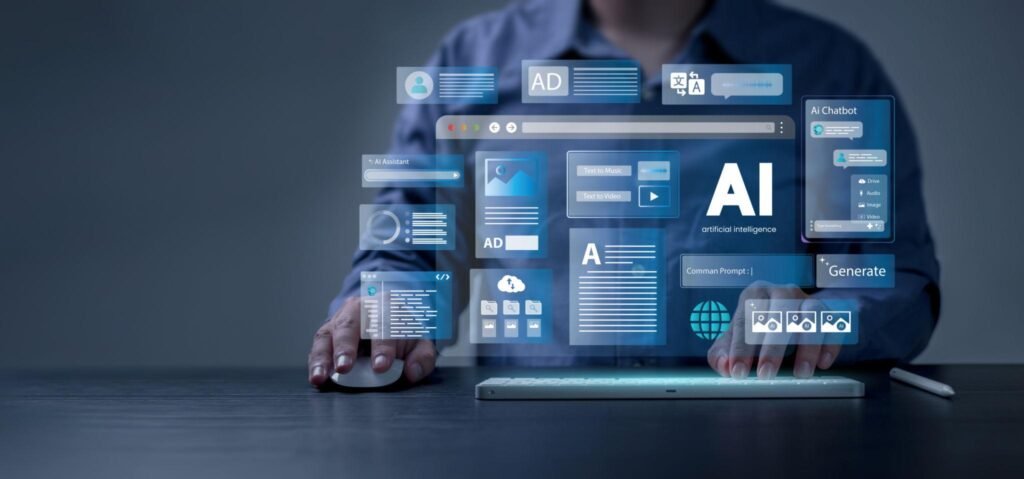
The first and most essential step in adapting to AI is replacing fear with curiosity. It is natural for any new technology to feel overwhelming at first. However, I believe that growth begins when we choose to explore rather than resist. When I first engaged with AI tools, I approached them with an open mind. Gradually, I discovered how efficiently they could assist in organizing ideas, simplifying complex topics, and saving time. This curiosity transformed my perspective—from seeing AI as a challenge to recognizing it as an opportunity.
Understanding the Role of AI
In my experience, it is crucial to clearly understand what AI is meant to do. AI excels at processing information, identifying patterns, and generating quick responses. However, it does not possess consciousness, emotions, or true understanding. As an author, I value depth, emotion, and personal voice—qualities that AI cannot genuinely replicate. Therefore, I see AI as a supportive tool rather than a replacement. It can guide, suggest, and assist, but the final thought, interpretation, and expression must always come from within.
Using AI as a Creative Companion
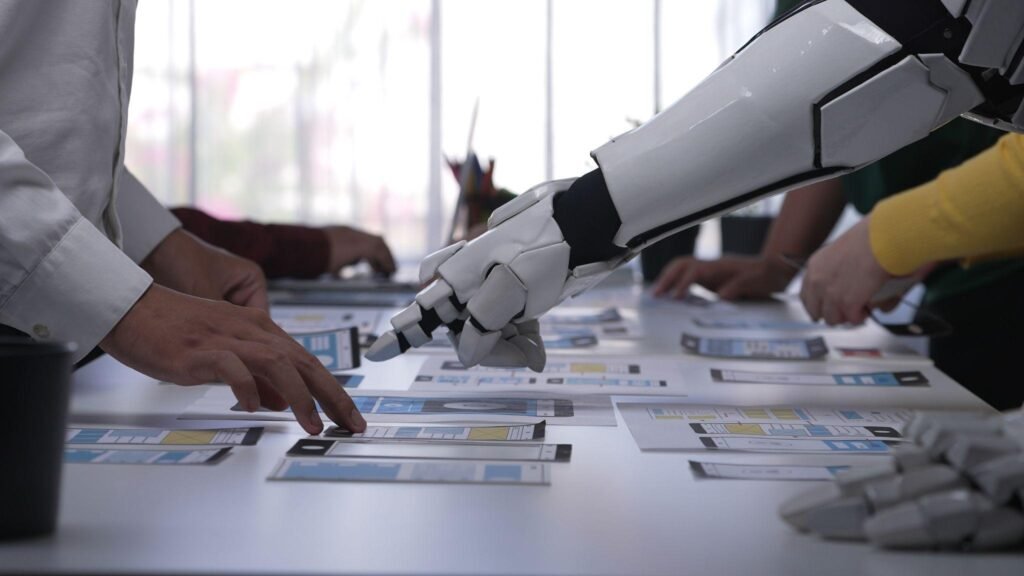
One of the most interesting realizations I’ve had is that AI can actually enhance creativity when used correctly. It can help overcome writer’s block, offer new perspectives, and provide a starting point for ideas. However, creativity should never become dependent on it. I ensure that my writing reflects my own thoughts and experiences, using AI only as a companion in the process. In this balance, I find both efficiency and authenticity.
Strengthening Human Skills
As AI continues to evolve, the importance of human skills becomes even more evident. Creativity, critical thinking, emotional intelligence, and communication are not just valuable—they are irreplaceable. These are the qualities that define us as humans and distinguish our work from machine-generated outputs. From my perspective, adapting to AI is not just about learning technology; it is also about strengthening these core human abilities.
Continuous Learning
Another key aspect of adapting to AI is the willingness to keep learning. Technology does not remain static, and neither should we. I believe that one does not need to become an expert, but staying informed is essential. Reading articles, observing trends, and experimenting with new tools can gradually build confidence. For me, learning about AI has been an ongoing journey—one that evolves with time and experience.
Ethical Responsibility
With great power comes great responsibility, and this holds true for AI as well. It is easy to misuse AI for shortcuts, such as copying content without understanding it. However, I strongly believe that ethical use is what determines the true value of this technology. As an author, maintaining originality, honesty, and integrity is non-negotiable. AI should be used to enhance our work, not to compromise our principles.
Balancing Dependence and Independence
One challenge I often reflect upon is the balance between using AI and relying on it too much. While it can make tasks easier, overdependence can weaken our own abilities. I make a conscious effort to think independently, using AI only when necessary. This balance ensures that I continue to grow intellectually while benefiting from technological support.
The Future with AI
Looking ahead, I see AI becoming even more integrated into our lives. Rather than replacing humans, it will likely reshape the way we work and create. From an author’s perspective, this is not the end of creativity—it is a new chapter. AI can open doors to innovation, but it is human imagination that will give meaning to those innovations.
Conclusion
In conclusion, adapting to AI is not a one-time effort but a continuous journey. It requires openness, awareness, and a strong sense of self. As I reflect on my own experience, I realize that AI is neither a threat nor a solution—it is a tool. Its true value depends on how we choose to use it. By embracing AI with curiosity, maintaining our originality, and acting responsibly, we can ensure that technology enhances our lives without overshadowing our humanity.



Informative also you have to write post on Uses of AI in real life scenario
we try to improve next time thank you for your feedback