

If you’ve ever looked at property prices in Mumbai, Delhi, or Bangalore, you’ve probably had that one thought: “How is this even affordable?”
For many people, buying a home in these cities isn’t just a financial decision anymore—it feels like a lifetime commitment, sometimes even a burden. What’s interesting is that it’s not just about high prices. It’s about how those prices feel when compared to what people actually earn and the kind of life they get in return.
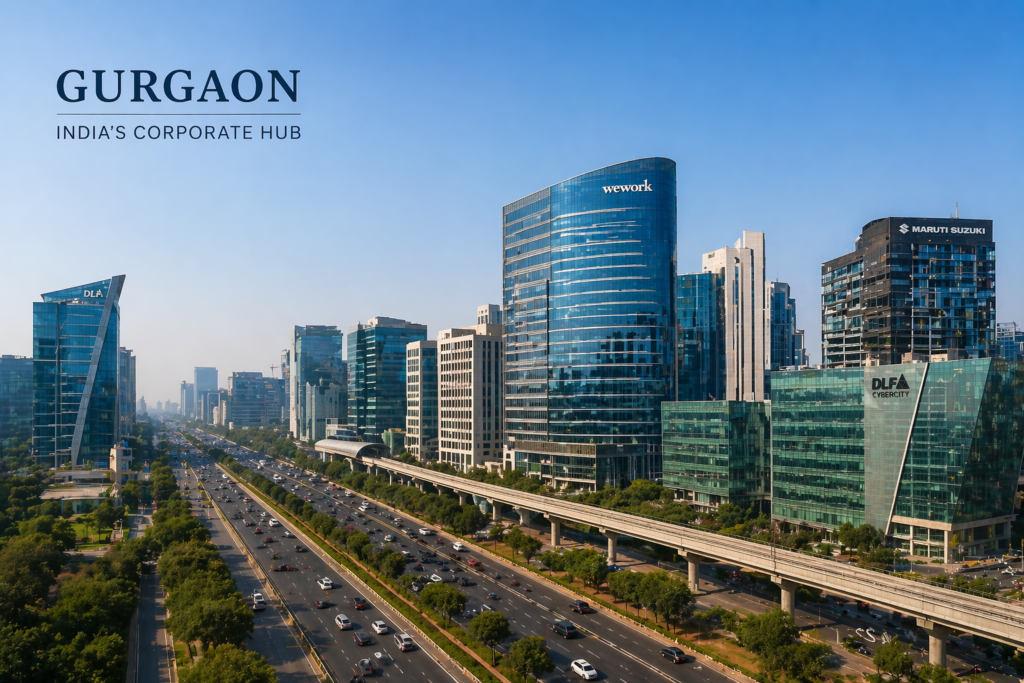
Take Gurgaon as an example. Projects like DLF Camellias have apartments priced at around ₹100 crore. At first, that might just sound like another luxury headline. But then you realize something strange—properties in places like New York City, one of the most expensive cities in the world, can fall in a similar range.
And that’s where the real question begins. If both places are charging similar prices at the top end, are they really offering the same value?
Because when you step outside the numbers and look at everyday life, the difference becomes hard to ignore. Air quality, for instance, tells a story of its own. Gurgaon often struggles with air that falls into the “poor” or even “very poor” category, with AQI levels crossing 300 on bad days. Meanwhile, cities like New York usually stay in a much safer range. It’s not that one city is perfect and the other isn’t—but it does make you wonder what exactly people are paying for.
This is where the idea of “expensive” starts to change meaning. It’s no longer just about the price tag—it’s about the gap between cost and experience.
A big part of the problem lies in simple economics: too many people, not enough space. India’s Tier-1 cities are magnets for opportunity. Jobs, colleges, businesses—everything seems to be concentrated in a few urban pockets. Naturally, people move in, year after year, hoping for something better. But the cities themselves don’t expand at the same pace. Land remains limited, housing struggles to keep up, and prices quietly climb higher.
At the same time, incomes haven’t grown fast enough to match this rise. That’s where things start to feel heavy. It’s not uncommon to see someone earning well, doing everything “right,” and still finding it difficult to afford a decent home without taking on massive loans. The pressure isn’t just financial—it’s psychological.
Then there’s the way real estate is viewed in India. For many, it’s not just a home—it’s an investment, a status symbol, even a safety net. People buy properties not just to live in, but to hold onto, to wait for prices to rise. And while that makes sense individually, it slowly reduces availability for actual buyers and pushes prices even further out of reach.
What makes it even more intense is how everything important seems to be packed into these cities. The best jobs, the best hospitals, the top colleges—they’re all here. So people don’t just want to live in these cities; they feel like they have to. And when demand comes from necessity rather than choice, prices rarely go down.
Over time, this has created a strange reality. Property prices have been rising steadily since the early 2000s, going through phases of rapid growth, slowdown, and then recovery again. But through all these cycles, one thing hasn’t changed—the gap between what people earn and what they need to spend on housing keeps stretching.
And maybe that’s the real reason why homes in Tier-1 cities feel so expensive. It’s not just about crores and square feet. It’s about the feeling that, no matter how much you move forward, the goalpost keeps shifting.
In the end, the question isn’t just “Why are homes expensive?”
It’s “Why does it feel so hard to belong in the very cities people are building their lives around?”


